Surgery for men
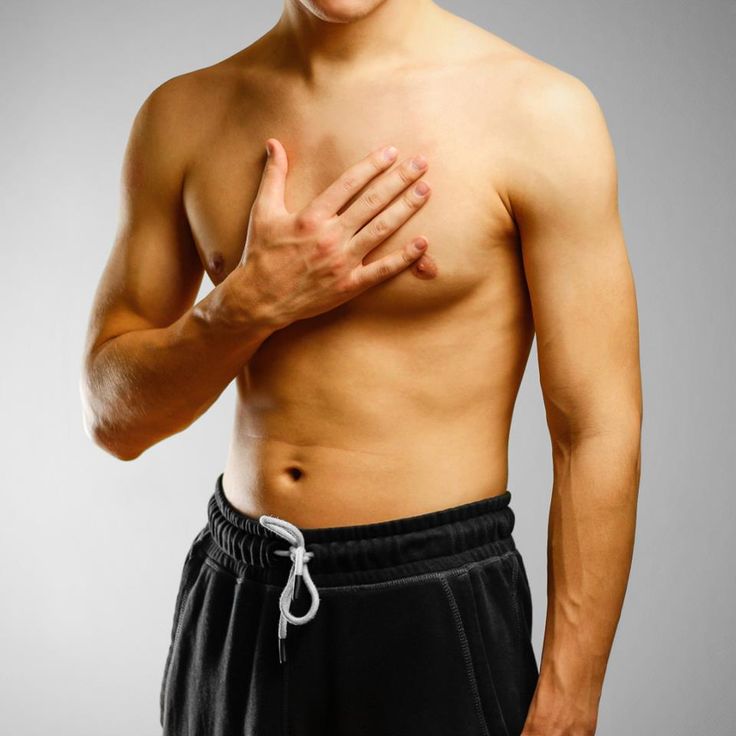
Gynaecomastia is the development of excess breast tissue in men, creating fullness or enlargement of the chest. It may involve glandular breast tissue, excess fat, loose skin, or a combination of these.
Surgery is designed to address the underlying cause of the chest fullness rather than simply reducing its overall size.
Depending on your anatomy, treatment may involve liposuction to contour excess fat, surgical excision of glandular tissue, or a combination of both. In patients with significant skin excess, skin reduction may also be required.
The goal is a flatter, firmer and more naturally contoured male chest.
Gynaecomastia can develop for a variety of reasons.
Hormonal changes, genetics, certain medications, weight fluctuations and other medical conditions can contribute to the development of excess male breast tissue.
Importantly, not all chest enlargement is the same.
Some men have predominantly fatty tissue, while others have a firm disc of glandular tissue beneath the nipple. Many have a combination of both.
This distinction matters because liposuction alone cannot reliably remove firm glandular tissue, while gland excision alone may leave residual fatty fullness around the chest.
A proper assessment therefore helps determine the appropriate surgical approach.
Gynaecomastia surgery is not a one-technique procedure.
The treatment is tailored according to the composition of your chest and the amount of skin excess present.
Liposuction is used to remove excess fatty tissue and contour the chest and surrounding areas.
It can help:
Liposuction is particularly useful when excess fat is a significant component of the enlargement.
Firm glandular breast tissue is usually located beneath the nipple and may not respond adequately to liposuction alone.
When this is present, it can be removed through a carefully placed incision, typically around the lower border of the areola.
The amount of glandular tissue removed is carefully judged to avoid creating a hollow or overly operated appearance.
For many patients, the best result comes from combining liposuction with gland excision.
Liposuction addresses the surrounding fatty fullness and helps sculpt the chest, while direct excision addresses the firm glandular component.
This combination allows the chest to be treated as a three-dimensional contour rather than simply removing a lump of tissue.
In patients with mild to moderate gynaecomastia, the skin may contract sufficiently after the underlying tissue is reduced.
However, when there is significant skin excess — particularly after substantial weight loss or in longstanding, more advanced gynaecomastia — liposuction and gland excision alone may not provide the desired contour.
In these situations, skin excision may be incorporated into the procedure.
The trade-off is that removing excess skin requires additional incisions and therefore more visible scarring.
The surgical plan is therefore based on achieving the best balance between chest contour, skin quality and acceptable scarring.
You may consider surgery if you have:
Ideally, your weight should be reasonably stable before surgery.
A medical assessment is also important because new or unexplained breast enlargement should not automatically be assumed to be cosmetic gynaecomastia. Depending on your history and examination, further evaluation may occasionally be appropriate before proceeding with surgery.
During your consultation, the chest is assessed carefully to determine the relative contribution of:
Fat
Soft, diffuse fullness that can often be addressed with liposuction.
Gland
Firm tissue beneath the nipple that may require direct excision.
Skin
Loose or redundant skin that may require tightening or removal.
Chest contour
The surrounding chest and torso are also assessed so that the result looks proportionate rather than simply smaller.
Your medical history, weight changes, medications and any relevant hormonal or medical factors will also be considered.
The procedure is performed under anaesthesia appropriate to the extent of surgery.
Where liposuction is required, small access points are used to remove excess fat and contour the chest.
If glandular tissue is present, a carefully positioned incision — commonly around the areolar border — allows the firm tissue to be removed.
When significant skin excess is present, additional skin-reduction techniques may be necessary.
The different components are then balanced to create a flat but natural chest contour.
The aim is not simply to remove as much tissue as possible. Over-resection can create contour irregularities or a hollow beneath the nipple, so precision and tissue preservation are important.
Swelling, bruising and temporary tightness are expected during the early recovery period.
A compression garment is commonly used during recovery to support the treated area and help control swelling.
Your return to work and exercise will depend on the extent of surgery and the nature of your daily activities. Light activity is generally resumed earlier, while strenuous exercise and chest-focused training are reintroduced progressively according to your recovery.
The chest will continue to change as postoperative swelling settles and the tissues remodel.
The goal is a flatter, firmer and more naturally contoured chest that is proportionate to the rest of your body.
When both fat and glandular tissue are contributing to the enlargement, addressing both components can provide a more complete correction than treating either alone.
The final result becomes clearer as swelling resolves and the tissues settle.
Maintaining a relatively stable weight is important for preserving the contour achieved through surgery.
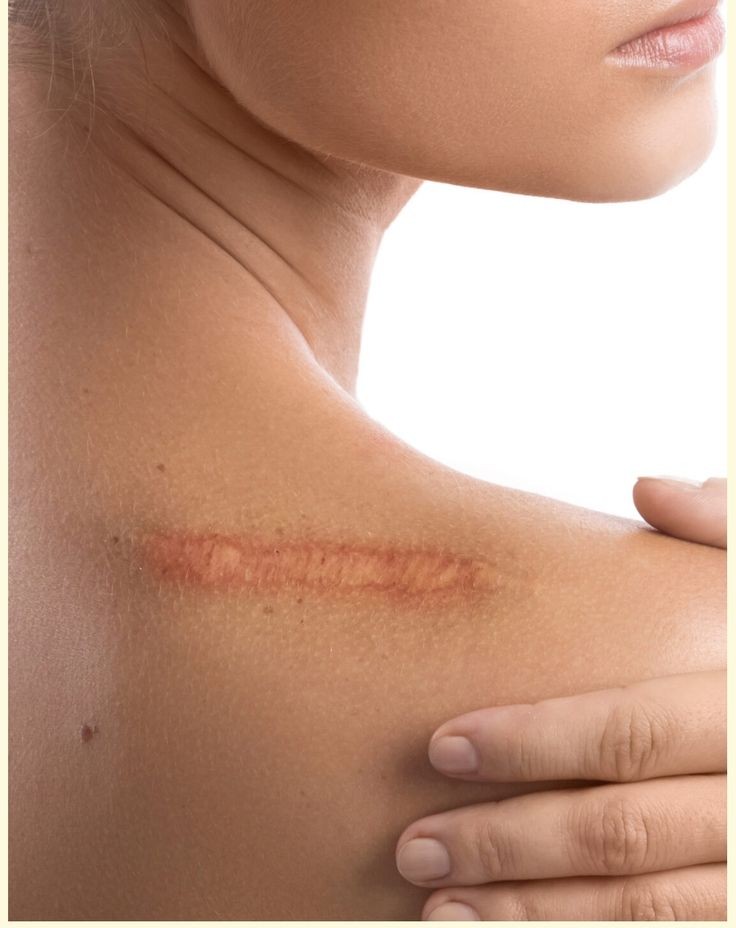
The location and extent of scarring depend on the surgical technique required.
When gland excision is performed, the incision is commonly placed around the edge of the areola, where the transition between the areolar skin and surrounding skin can help camouflage the scar.
Liposuction requires only small access incisions.
Patients requiring significant skin removal will have longer scars because the excess skin itself needs to be excised.
During your consultation, the expected scars will be discussed as part of choosing the appropriate surgical approach.
It can be sufficient when the chest enlargement is predominantly due to excess fat. However, firm glandular tissue cannot be reliably removed with liposuction alone. Many patients therefore benefit from a combination of liposuction and gland excision.
Not necessarily. It depends on your individual anatomy. If there is a significant firm glandular component beneath the nipple, direct excision may be recommended in addition to liposuction.
The size and shape of the areola may change somewhat as the underlying fullness is corrected, but areolar reduction is a separate component that is considered only when appropriate.
Yes, although the extent depends on the procedure. Liposuction leaves small scars, while gland excision commonly involves an incision around the areola. Significant skin removal requires longer scars.
The aim is a flat and masculine contour, not an unnaturally hollow chest. Some natural tissue needs to be preserved, particularly beneath the nipple, to maintain a smooth transition.
When established glandular tissue is appropriately removed, recurrence of the same tissue is uncommon. However, significant weight gain can increase fatty tissue in the chest, and underlying hormonal or medical causes may need to be addressed.
Weight loss can significantly improve chest fullness when excess fat is the main contributor. However, true glandular gynaecomastia may persist despite achieving a healthy weight.
The duration varies depending on whether liposuction, gland excision, skin removal, or a combination of techniques is required.
This depends on the extent of surgery and your individual recovery. Light activity is generally resumed before strenuous exercise, with chest and upper-body training introduced progressively once healing permits.
Gynaecomastia surgery is not simply about removing breast tissue.
It is about understanding what is creating the fullness — fat, gland, skin, or a combination — and addressing each component appropriately.
With personalised planning and careful contouring, the aim is a chest that looks flatter, more defined and naturally masculine, without appearing over-operated.
Book a consultation with Dr. Sneha Gulati to understand what is contributing to your chest fullness and which surgical approach would be most appropriate for you.
View our gallery of patient transformations for this procedure.
View Before & AftersProcedure Time
1 hour
Anesthesia
General
Downtime
2 - 3 days
Results
Immediate & Improving